What happened
Facial fractures
Facial fractures differ from scarring cases because the damage is structural. The claim covers both appearance and function, and the functional consequences are often what drive the value.
Published July 27, 2026 · Last reviewed July 30, 2026
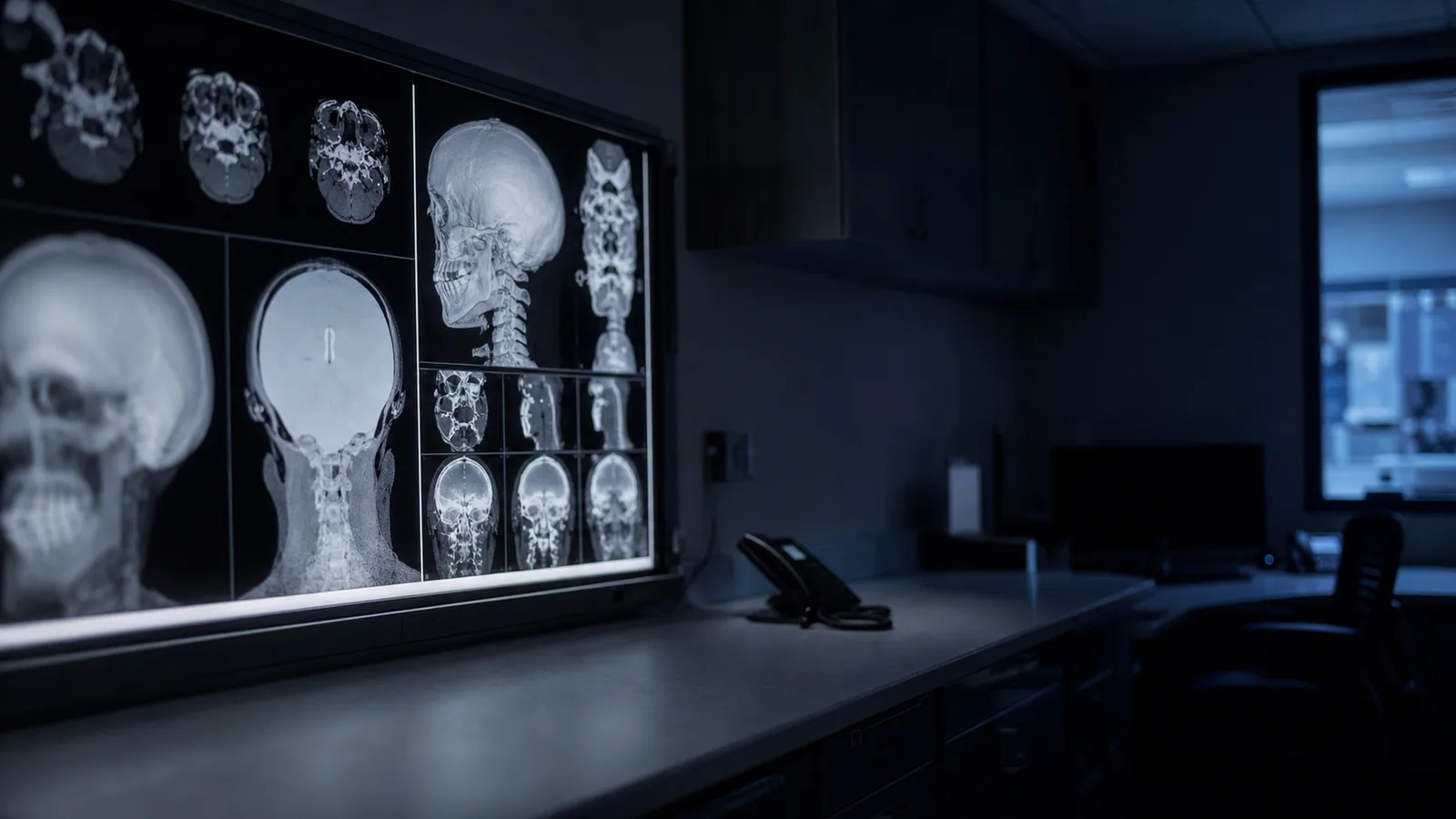
The common fracture patterns
Each one carries a distinct set of long-term consequences, and the consequences are what get undervalued.
- Orbital fracture — a blowout of the thin bone around the eye. Can cause double vision, a sunken eye, restricted eye movement, and permanent numbness of the cheek and upper lip
- Nasal fracture — the most common facial fracture. Frequently leaves a visible deformity plus obstructed breathing, which often needs surgical correction later
- Zygomatic or cheekbone fracture — flattening of the cheek contour, numbness, and sometimes trouble opening the jaw
- Mandible or jaw fracture — commonly treated by wiring the jaw shut for weeks, with lasting effects on bite alignment, chewing, and sometimes chronic TMJ pain
- Maxillary fractures — midface injuries that affect bite and facial height and typically require complex reconstruction
- Dental avulsion and fracture — teeth lost or broken, requiring implants that will need replacing over a lifetime
The consequences that get missed
Numbness is the most commonly overlooked. Facial fractures frequently damage the infraorbital or inferior alveolar nerve, leaving permanent numbness of the cheek, lip, or chin. It doesn't show in a photograph and it doesn't hurt, so it gets left out of claims — but it's permanent nerve damage that affects eating, speech, and shaving, and it's compensable.
Double vision from an orbital fracture may persist after repair and can end a driving career or a trade. Bite misalignment after a jaw fracture leads to chronic TMJ pain and eventual dental work. And a nose that no longer passes air properly is a functional injury even when the exterior looks fine.
None of these appear in the emergency room record, because they only become apparent weeks later. Make sure your treating physicians document them when they do.
How they happen, and who's responsible
Facial fractures most often come from vehicle crashes — including airbag deployment and steering wheel impact — assaults, falls, sports and recreational impacts, workplace incidents, and being struck by falling or ejected objects.
The liability analysis follows the cause. A crash is an auto claim, potentially with an underinsured motorist component. An assault raises the possibility of a negligent security claim against the property owner where it happened, which reaches a commercial policy rather than a defendant with no assets. A workplace fracture involves workers' compensation plus any third-party claim. A sports or recreational injury may involve a waiver, whose enforceability varies considerably by state and doesn't generally extend to gross negligence.
What tends to make a claim worth pursuing
None of these is a guarantee. They are the facts an attorney will look for first when deciding whether to take a case like yours.
- Imaging confirms a fracture
- Surgical repair was required, including plates or wiring
- You have persistent numbness in the cheek, lip, or chin
- You have double vision, restricted eye movement, or a change in eye position
- Your bite changed, or you have ongoing jaw pain
- Teeth were lost or broken
- There's a visible change in facial contour
Questions
The numbness isn't painful. Is it worth including?
Yes. Permanent nerve damage is a permanent injury whether or not it hurts. It affects eating, speech, kissing, shaving, and the ability to feel injury to that area. Make sure a treating physician documents it and its expected permanence.
My nose was broken but they said it healed fine. It doesn't look the same.
Nasal fractures are frequently managed conservatively in the emergency room and the residual deformity only becomes apparent once swelling resolves. Get evaluated by an ENT or facial plastic surgeon — both the cosmetic result and any breathing obstruction are documentable and compensable.
I was assaulted. The person who hit me has no money.
The more productive question is where it happened. If a property owner failed to provide reasonable security in a location with known prior violence — a bar, a parking garage, an apartment complex — a negligent security claim reaches their commercial policy. Many states also run crime victim compensation funds that cover medical costs regardless of any lawsuit.
Read next
Other situations
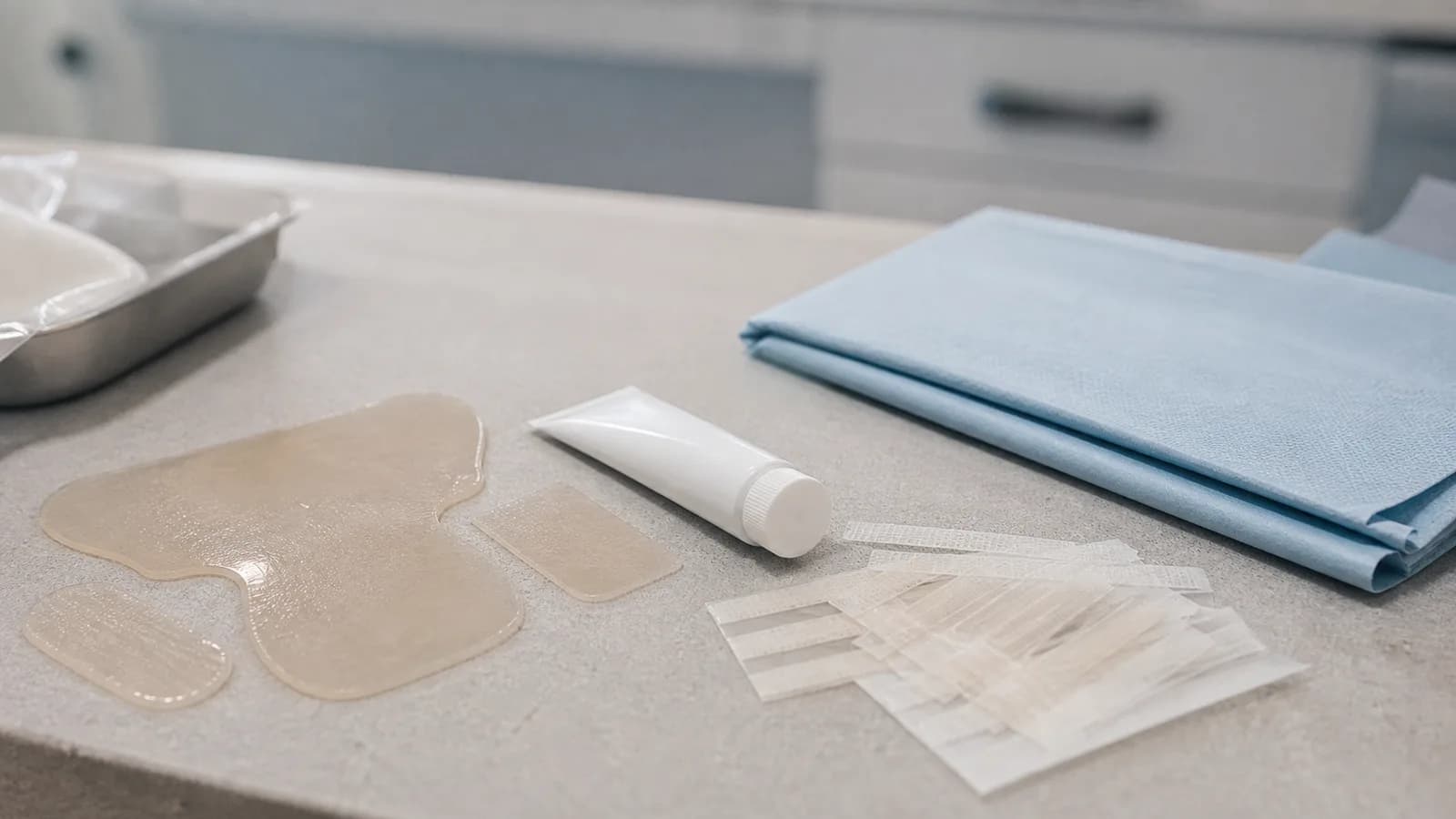
I have permanent scarring
Never settle before the scar matures. That single decision moves the number most.
Read this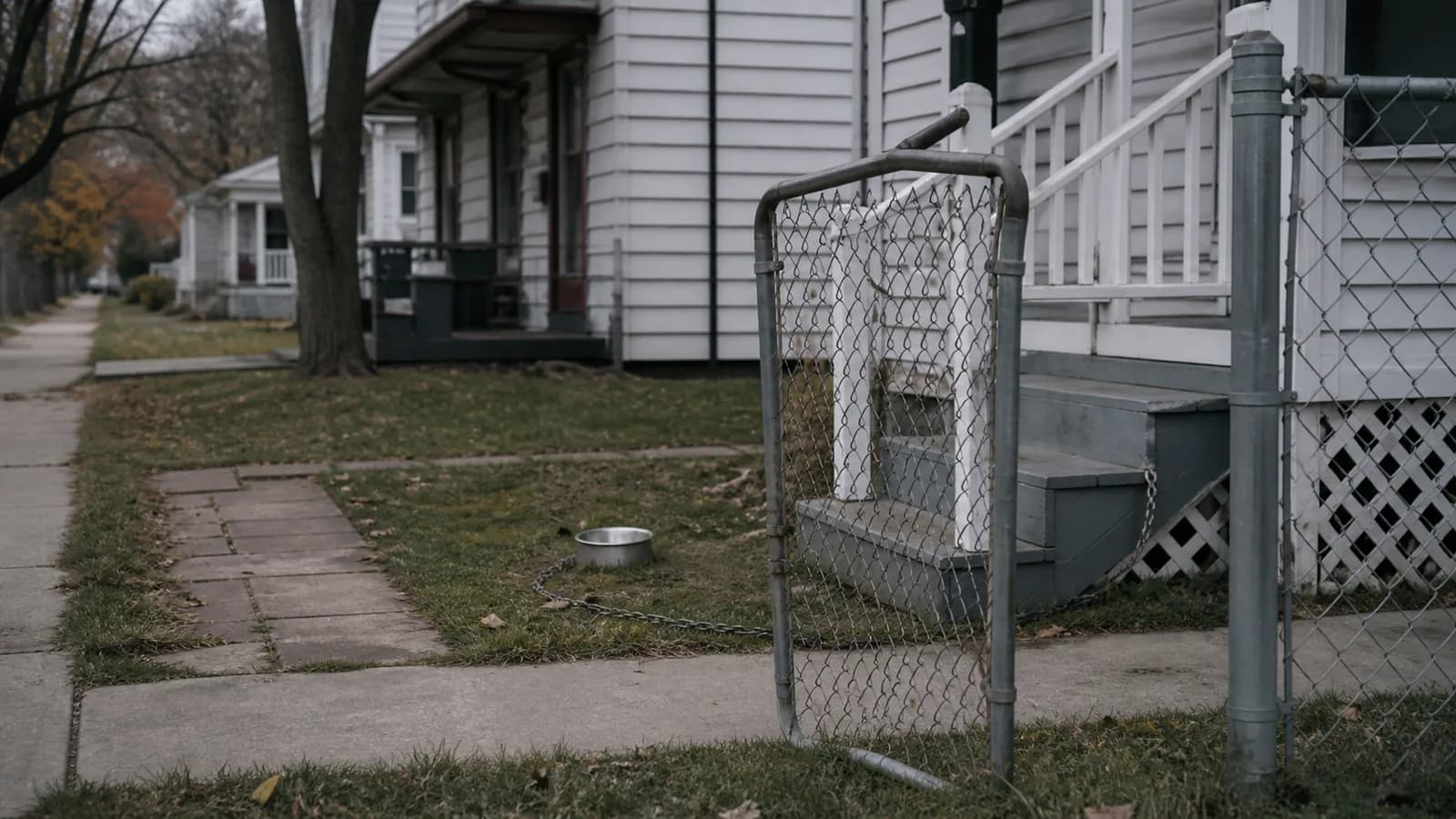
A dog bit my face
Most states make owners strictly liable. Children are bitten on the face most often.
Read this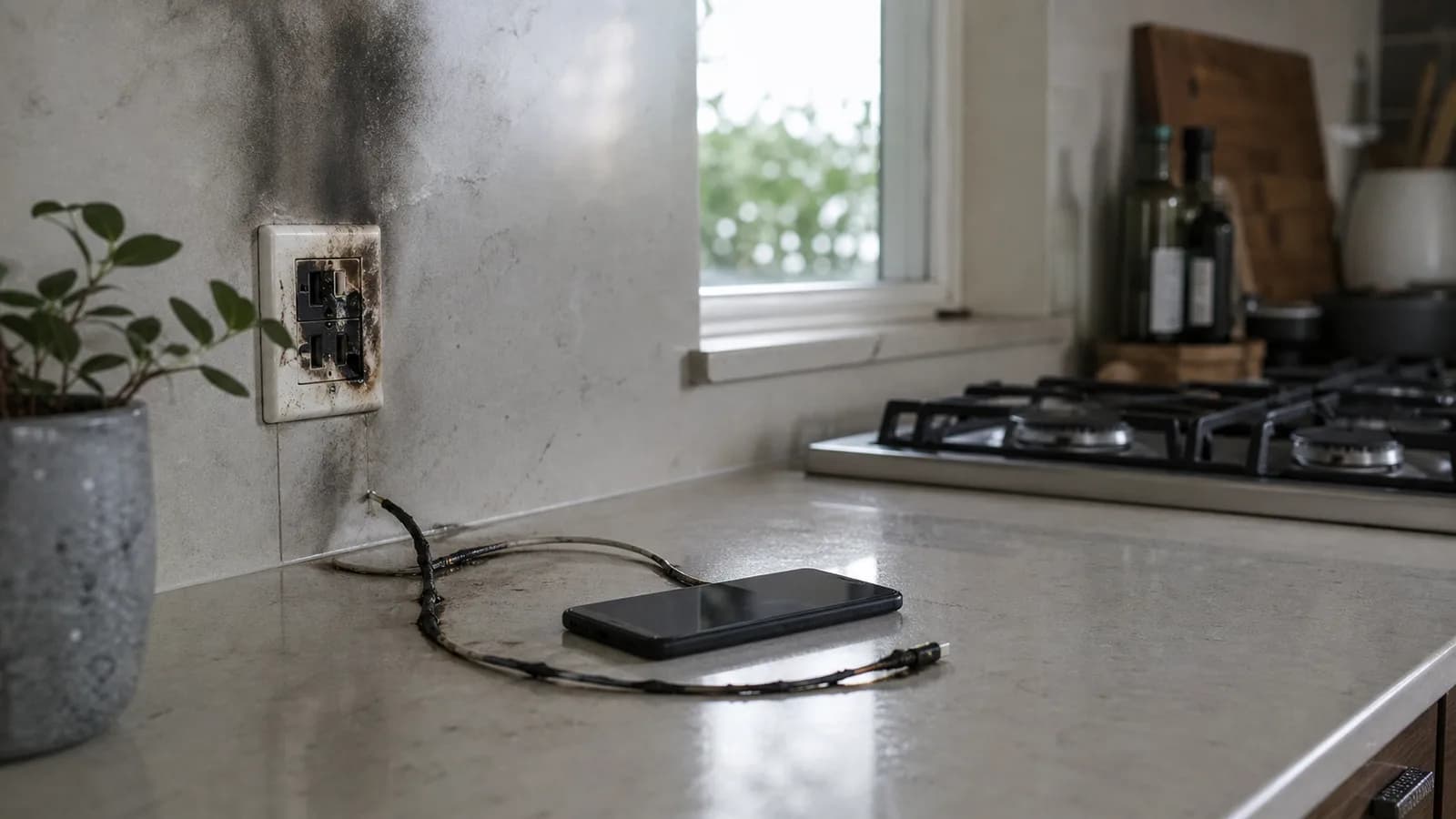
My face was burned
Disfigurement plus function plus years of treatment. Among the highest-value injuries.
Read thisEvidence and research resources
See all resourcesEvidence checklist
The records, objects, photographs, and timelines worth preserving now.
Read thisPlain-language glossary
Medical, insurance, safety, and legal terms explained without the jargon.
Read thisOfficial sources
The government, court, safety, and medical sources used to check this site.
Read thisHave a lawyer look at this
A free review tells you whether the facts you have are the facts that matter. No cost, and no obligation to hire anyone.
Free · No obligation · About 90 seconds