What happened
Burns to the face
Facial burns are among the most serious injuries in this category. They combine permanent visible disfigurement with functional loss — eyelid closure, lip competence, hair loss, restricted movement from contracture — and a treatment course measured in years rather than months.
Published July 27, 2026 · Last reviewed July 30, 2026
Where they come from
The cause determines the legal route, and several of these are product cases with substantial defendants behind them.
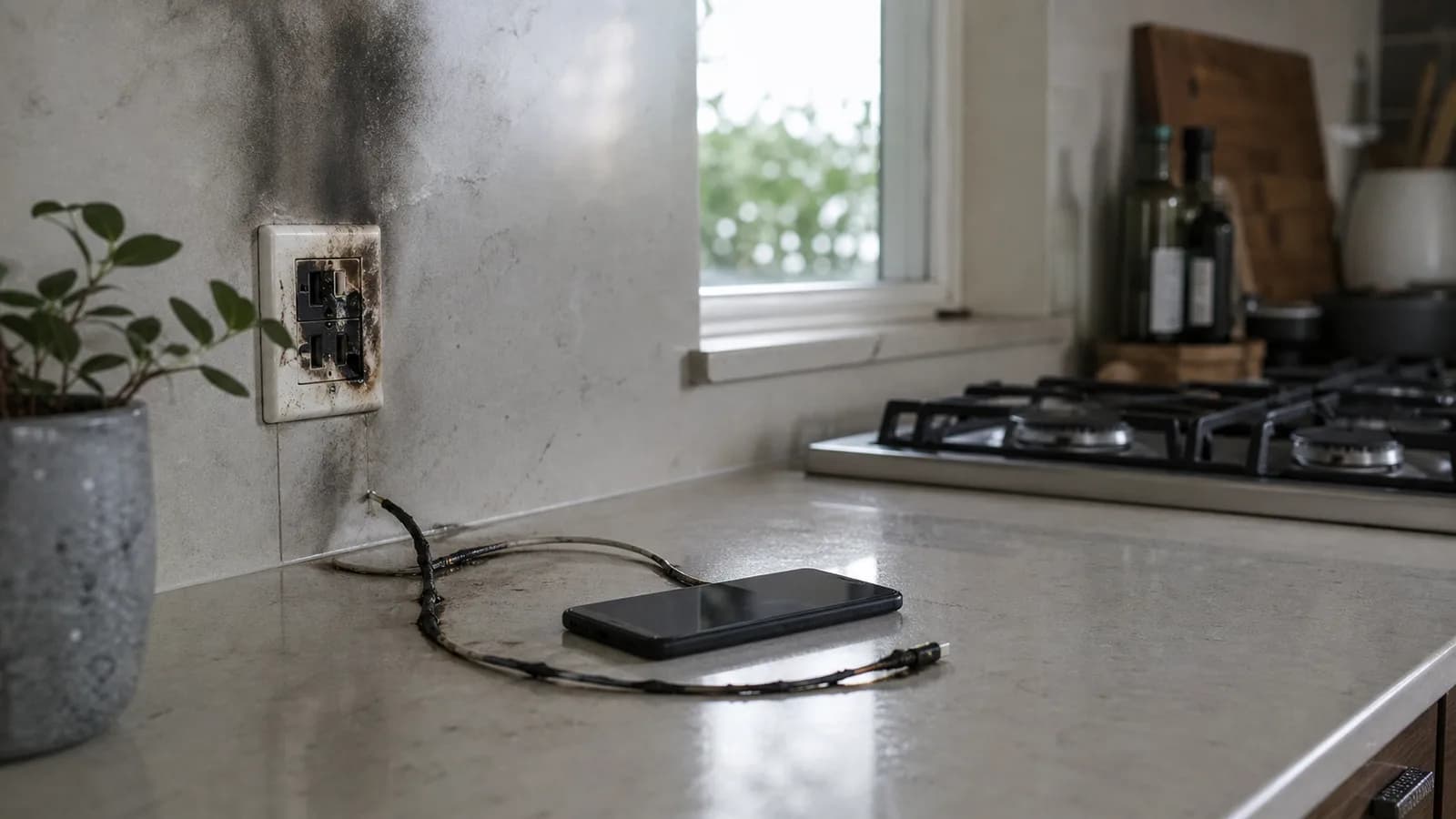
- Chemical burns — industrial chemicals, cleaning products, hair and skin treatments, and cosmetic procedures gone wrong
- Thermal burns — fires, scalds, grease, flammable liquids and fuel, and defective appliances
- Flash and electrical burns — arc flash in electrical work, one of the most severe workplace burn mechanisms
- Vehicle fires and post-collision fuel fires
- Defective products — lithium battery fires in e-cigarettes, phones, and e-bikes; pressure cookers releasing under pressure; fuel containers and lighters
- Radiation and laser burns from cosmetic and dermatologic procedures
Why these claims are large
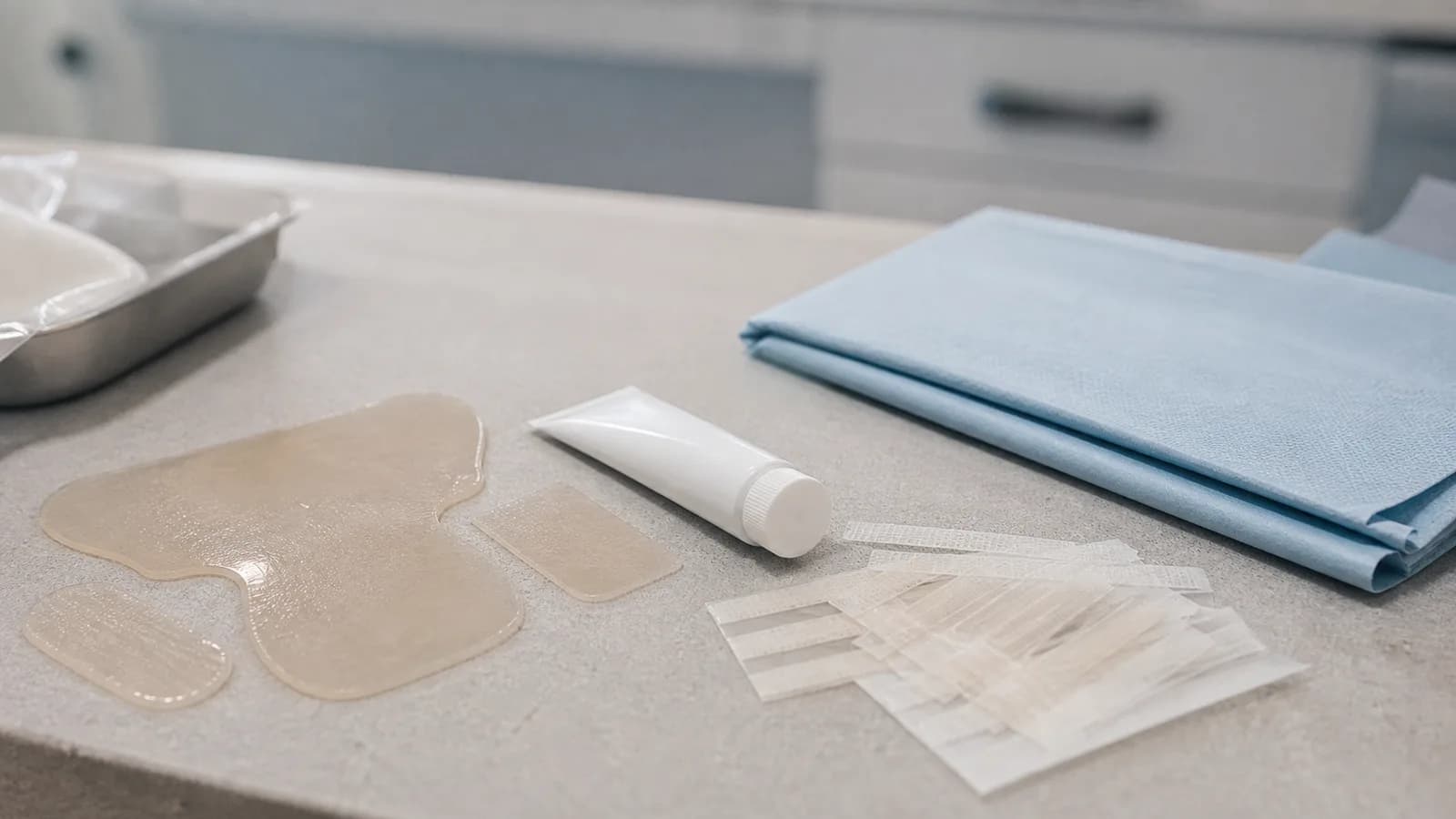
Burn treatment is long and expensive. Grafting, staged reconstruction, pressure garments worn for a year or more, laser treatment across many sessions, and revision surgery that may continue for a decade.
Contracture is the complication that drives functional loss: as burn scar tissue matures it tightens, which can pull an eyelid open, distort the mouth, or restrict neck movement, and each of those needs surgical release. It's progressive, which is another reason not to settle early.
Facial burns also carry a documented and severe psychological burden, and the psychiatric injury in these cases is substantial and separately compensable.
The product angle is worth checking
A large share of facial burns involve a product, and product claims reach manufacturers with real coverage rather than an individual defendant.
Lithium battery fires in consumer devices, pressure cookers that open while pressurized, flammable liquids without adequate warnings, and appliances that fail — all of these are recurring, well-documented defect categories with existing litigation histories, and many have been the subject of recalls.
Preserve the product. Whatever burned you, keep it, keep the packaging, keep the receipt, and don't return it to the manufacturer. It's the single most valuable piece of evidence in a product burn case.
What tends to make a claim worth pursuing
None of these is a guarantee. They are the facts an attorney will look for first when deciding whether to take a case like yours.
- The burn required grafting or reconstructive surgery
- A product, appliance, or battery was involved
- It happened at work, particularly an arc flash or chemical exposure
- You have contracture affecting eyelid, lip, or neck movement
- Treatment is ongoing or further surgery is planned
- You still have the product and packaging
- There's a prior recall or known defect history for the product
Questions
It happened at work. Is workers' comp all I get?
No. Comp covers the employment relationship, but the manufacturer of a defective product, a chemical supplier who failed to warn, an equipment maker, or another contractor on site are all outside the comp bar. Serious burn cases frequently have a third-party claim worth many times the comp claim.
The manufacturer wants the product back to investigate.
Don't send it. Once it leaves your possession you lose control of the most important evidence in the case, and it does not reliably come back intact. Preserve it and let any inspection happen under an agreed protocol.
It was a cosmetic procedure — a laser or a chemical peel.
That may be a medical malpractice claim rather than an ordinary injury claim, which changes the deadlines and often requires an expert affidavit filed at the outset. Some states have notably short medical malpractice deadlines, so get it reviewed promptly.
Read next
Other situations
I have permanent scarring
Never settle before the scar matures. That single decision moves the number most.
Read this
A dog bit my face
Most states make owners strictly liable. Children are bitten on the face most often.
Read this
I broke a bone in my face
These carry functional consequences — vision, bite, sensation — beyond appearance.
Read thisEvidence and research resources
See all resourcesEvidence checklist
The records, objects, photographs, and timelines worth preserving now.
Read thisPlain-language glossary
Medical, insurance, safety, and legal terms explained without the jargon.
Read thisOfficial sources
The government, court, safety, and medical sources used to check this site.
Read thisHave a lawyer look at this
A free review tells you whether the facts you have are the facts that matter. No cost, and no obligation to hire anyone.
Free · No obligation · About 90 seconds